OP钱包:数字资产管理的最佳选择
2025-11-18 13:43:11
在数字货币和区块链技术迅猛发展的今天,越来越多人开始接触和使用加密货币。在这一领域,选择一个安全、易用的数字钱包显得尤为重要。OP钱包作为近年来崛起的一款数字钱包,因其优越的性能和用户体验备受关注。接下来,我们将深入探讨OP钱包的功能、优势及使用技巧,帮助用户更好地管理自己的数字资产。
什么是OP钱包?
OP钱包是一款支持多种加密货币的数字钱包,其设计旨在提供安全、便捷的数字资产管理服务。用户可以通过OP钱包存储、发送和接收各种加密货币,包括比特币、以太坊、稳定币等。OP钱包的开发团队背景深厚,致力于为用户提供最优质的钱包体验。
OP钱包的主要功能
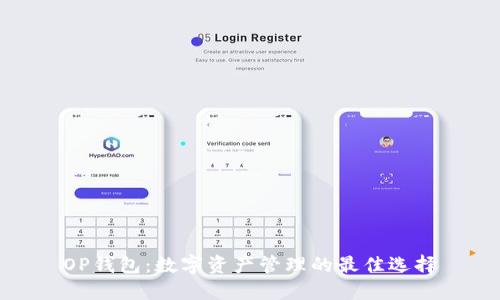
OP钱包具有多种实用功能,使其成为数字资产管理的理想选择。以下是一些主要功能:
- 多币种支持:OP钱包支持多个主流加密货币,用户可以在一个钱包中管理多种资产,避免了使用多个钱包的麻烦。
- 安全性高:OP钱包采用先进的安全技术,包括冷存储、多重签名和生物识别技术,确保用户的资产安全。
- 用户友好的界面:OP钱包的界面设计简单直观,新手用户也能轻松上手。
- 交易速度快:OP钱包了交易流程,用户可以快速完成转账和收款。
- 社区支持:OP钱包常与数字货币社区合作,提供用户支持和教育,帮助用户更好地理解加密货币。
OP钱包的安全性分析
安全性是用户在选择数字钱包时最为关心的问题之一。OP钱包通过多种方式保障用户资产的安全:
- 冷存储策略:OP钱包的绝大部分资产存储在离线冷存储中,减少了黑客攻击的风险。
- 多重签名技术:通过要求多个密钥共同确认交易,增加了资金盗取的难度。
- 定期安全审计:开发团队定期对钱包进行安全审计,确保系统未被漏洞或其他安全问题影响。
- 用户教育:通过社区和官方渠道,提供用户如何保护自己的资产的教育资源,以提高用户自身的安全意识。
如何使用OP钱包?

使用OP钱包的过程相对简单,以下是操作步骤:
- 下载与安装:用户可以在OP钱包的官方网站或主流应用商店下载钱包应用,进行安装。
- 创建钱包:打开应用后,用户需要创建一个新的钱包,设置强密码并备份助记词,这是确保资产安全的重要一步。
- 充值:用户可以通过在钱包内选择对应加密货币获得充值地址,将其发送至所要充值的平台。
- 资产管理:用户可以在钱包中随时查看资产余额、交易历史,以及进行必要的转账或接收操作。
OP钱包的未来发展方向
随着数字货币市场的不断发展,OP钱包也在不断适应变化。未来,OP钱包计划推出更多功能,例如NFT支持、集成去中心化交易所(DEX)、与 DeFi 生态系统的无缝连接等,以满足用户日益增长的需求。此外,OP钱包将继续加强安全性和用户体验,为用户提供更完善的服务。
与其他钱包的比较
在市场上,有许多数字钱包可供选择,如MetaMask、Trust Wallet等。与它们相比,OP钱包的优势在于其多币种支持和强大的安全性,尤其适合那些希望在一个平台上管理多种数字资产的用户。OP钱包的用户体验更加友好且易于浏览,吸引了不少新手用户,而其他一些钱包可能在功能完整性和用户友好性方面稍显不足。
总结
OP钱包作为一款新兴的数字钱包,以其多币种支持、高安全性和易用性赢得了用户的喜爱。在选择数字钱包时,用户应考虑自身的需求和投资习惯,选择最适合自己的工具。借助OP钱包,用户可以轻松管理自己的数字资产,享受数字经济所带来的机遇与便利。
常见问题解答
- What is the security level of OP Wallet?
- How to recover a lost OP Wallet?
- Can I trade directly from OP Wallet?
- What cryptocurrencies are supported by OP Wallet?
- How does OP Wallet compare to other wallets?
1. What is the security level of OP Wallet?
The security of OP Wallet is a crucial factor that users consider when managing their digital assets. OP Wallet employs several advanced security features designed to safeguard user funds against potential threats.
Firstly, OP Wallet utilizes a cold storage strategy in which the majority of users' cryptocurrencies are kept offline, minimizing the risk of hacking attempts. This protects assets when the wallet is disconnected from the internet, making it much more difficult for an attacker to gain access.
Secondly, the wallet incorporates multi-signature technology. This means that multiple private keys are required to authorize transactions, depending on the settings specified by the user. This adds an additional layer of protection, reducing the chances of unauthorized withdrawals.
Regular security audits are conducted by the development team to identify and rectify any vulnerabilities that may arise. These audits ensure that OP Wallet stays updated and secure against new threats emerging in the digital landscape. Furthermore, the wallet also educates users about best practices for maintaining their security, such as the importance of keeping backup phrases confidential.
In conclusion, the security level of OP Wallet is considered high due to its extensive security measures. Users can have peace of mind knowing that their assets are well protected.
2. How to recover a lost OP Wallet?
Losing access to a digital wallet can be distressing, but OP Wallet provides a recovery process to help users regain access to their funds. The key to this process is the recovery phrase provided during wallet creation.
When users establish an OP wallet, they are given a recovery phrase (often referred to as a seed phrase) consisting of a series of words. This phrase is essential for restoring the wallet in case the app is uninstalled or access is lost. It is vital for users to write this phrase down and store it securely since it is the only way to recover the wallet.
If a user loses access to their OP Wallet, they should:
- Reinstall OP Wallet: Download and install the OP Wallet app from its official website or application store.
- Select Restore Wallet: When prompted to set up a new wallet, choose the option to restore from an existing wallet.
- Input Recovery Phrase: Carefully enter the recovery phrase exactly as it was provided during wallet creation.
- Access Your Wallet: Once the recovery phrase is successfully entered, users should regain access to their wallet and funds.
In summary, the recovery process of OP Wallet relies on the accurate entry of the recovery phrase. Users are strongly advised to keep this phrase confidential and store it securely to avoid complications in the future.
3. Can I trade directly from OP Wallet?
Trading directly from a digital wallet can enhance convenience for users looking to engage in cryptocurrency transactions regularly. OP Wallet offers features that allow users to trade, but the specific capabilities can depend on the features available in the version you are using.
One of the primary features to consider is whether the OP wallet integration includes decentralized exchange (DEX) functionalities. If available, it can allow users to trade cryptocurrencies within the wallet interface itself without needing to send their funds to an external exchange platform.
To use these trading features, users generally would need to:
- Ensure Wallet Connectivity: Make sure that the OP Wallet is connected to a decentralized exchange if such a feature is implemented.
- Select Trading Pairs: Choose the cryptocurrencies they wish to swap or trade.
- Review Transaction Fees: Understand and agree to the fees associated with the trade.
- Confirm Trade: Once ready, confirm the transaction to complete the trade.
If direct trading is not available within OP Wallet, users may need to transfer their funds to an exchange platform, trade there, and then return the assets to their wallet after trading. Nonetheless, the integration of trading features within OP Wallet reflects the wallet's intent to provide a comprehensive suite of services to its users, enhancing overall convenience.
4. What cryptocurrencies are supported by OP Wallet?
When selecting a digital wallet, the range of supported cryptocurrencies is an essential consideration for users. OP Wallet has established itself as a versatile option by supporting a wide array of popular cryptocurrencies. Knowing the specific options available in OP Wallet can facilitate users' management of diverse portfolios.
The cryptocurrencies typically supported by OP Wallet include:
- Bitcoin (BTC): The pioneer and most recognized cryptocurrency, perfect for long-term holding or trading.
- Ethereum (ETH): A leading platform for smart contracts and decentralized applications.
- Litecoin (LTC): Often called the silver to Bitcoin's gold; known for faster transaction times.
- Ripple (XRP): Focused on facilitating cross-border transactions, popular in the banking sector.
- Various Stablecoins: Such as USDT or USDC, providing a stable value pegged to fiat currency.
- Other Altcoins: Depending on the ongoing development, OP Wallet regularly adds support for various altcoins to cater to the growing community.
It’s important to check the OP Wallet official resources or app updates for the most current list of supported cryptocurrencies, as the wallet is continually evolving to keep pace with market demands.
5. How does OP Wallet compare to other wallets?
In a landscape filled with various digital wallets, comparing OP Wallet to other options can provide users with a clearer idea of its strengths and weaknesses. Generally, users compare on several dimensions including security, usability, fees, and features offered.
When compared to traditional wallets like Coinbase Wallet, OP Wallet stands out with its robust cold storage solutions and multi-signature technology, making it harder for unauthorized access. On the other hand, Coinbase Wallet may have a more user-friendly on-ramp for newcomers, making it easier to buy cryptocurrencies directly from the app.
In terms of fees, OP Wallet typically allows users to manage their assets without incurring high service fees, while some wallets like Binance Wallet may charge varying fees depending on the type of transaction or asset involved. For users who frequently engage in trading or transactions, the lower fees associated with OP Wallet can be a significant advantage.
Many users also consider the community and support around a wallet. OP Wallet has a strong presence in digital currency communities, often providing educational resources that make it appealing for users looking to expand their knowledge base.
In conclusion, while both OP Wallet and its competitors have a mixture of strengths and weaknesses, users should evaluate their personalized needs and preferences, such as the types of cryptocurrencies they hold or how actively they trade, to choose the wallet that best suits them.